The startup ecosystem in 2026 is changing faster than ever. Start-ups are expected to introduce products rapidly, acquire customers efficiently and expand operations while managing limited budgets and resources. With such competition, AI automation for startups has become one of the most effective ways to achieve sustainable growth.
Artificial Intelligence is no longer limited to large corporations. Today, startups use AI to automate repetitive tasks, improve customer experiences, optimize marketing campaigns, streamline operations and make data-driven decisions. Businesses that successfully implement automation can operate more efficiently while maintaining a competitive advantage.
Here at Trailblazer Visionaries, we track the latest business technologies and startup growth trends. Industry analysis and real-world business analysis show that startups powered by AI automation tend to grow faster, become more productive and achieve improved operational efficiency. In this article, I will explain why AI is helping startups grow faster in 2026 and why automation is becoming a must-have for long-term success.
Why AI Automation Has Become Essential for Startups
Modern startups face challenges such as limited budgets, small teams and growing customer expectations. AI automation helps overcome these obstacles by improving efficiency and reducing manual workloads.
Growing Competition Requires Smarter Operations
The start-up environment is getting more competitive. Companies that solely rely on manual processes often find it difficult to keep up with changing customer demands and market trends. With AI automation, startups are becoming more efficient in their operations improving response times and offering better customer experiences. Teams can spend time innovating, planning strategically and growing the business, instead of spending hours on repetitive tasks. Startups’ operational efficiency means they can compete well with larger organizations with more resources.
Limited Resources Demand Better Productivity
Most startups operate with lean teams and limited financial resources. Hiring additional employees for every operational requirement is often unrealistic. AI helps businesses maximize productivity by automating routine tasks such as scheduling, reporting, data entry and customer communication. By reducing the workload on employees, startups can achieve more with existing resources and improve overall performance without significantly increasing expenses.
Faster Decision-Making Through Data
Data plays a critical role in business growth. AI-powered systems analyze large amounts of information quickly and accurately, helping startups identify trends, customer preferences and growth opportunities. Faster access to actionable insights allows founders to make informed decisions and respond quickly to changing market conditions. Businesses that use data effectively often gain a significant competitive advantage.
Understanding AI Automation for Startups
Before implementing AI solutions, startups should understand how automation works and why it is valuable.
What Is AI Automation?
AI automation combines artificial intelligence with automated workflows to perform tasks that traditionally required human effort. Unlike traditional automation systems that follow fixed rules, AI can learn from data and adapt over time. This capability allows businesses to automate complex processes such as customer support, predictive analytics and personalized marketing. The result is improved efficiency and smarter business operations.
How Startups Use AI in 2026
How startups use AI in 2026 is transforming modern business practices. Startups are leveraging AI for lead generation, customer service, content creation, workflow management, sales forecasting, and financial analysis. These applications enable rapid growth, consistency and a significant reduction in manual effort, allowing businesses to scale more efficiently. For many startups, understanding how startups use AI in 2026 is no longer just an advantage—it has become a competitive necessity.
The Difference Between Automation and AI
Traditional automation executes predefined instructions without adapting to new situations. AI, however, can analyze data, recognize patterns and improve performance over time. This ability allows AI-powered systems to handle more sophisticated tasks and provide valuable recommendations that support business growth.
AI Tools for Startup Growth
Technology providers now offer numerous solutions designed specifically to help startups scale efficiently.
Marketing Automation Platforms
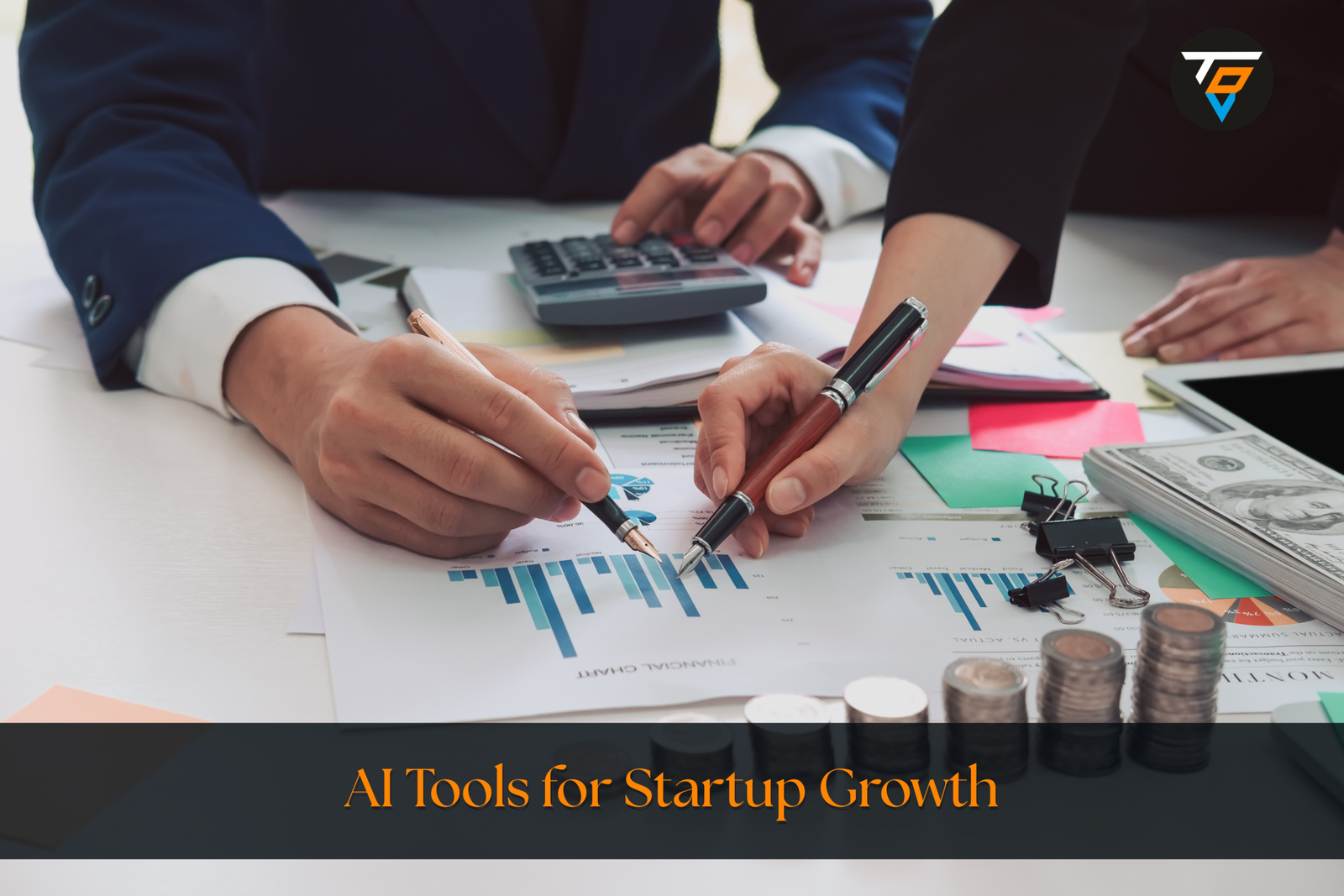
Modern AI tools for startup growth help businesses automate content distribution, email campaigns, social media management and audience targeting. These platforms analyze user behavior and optimize campaigns automatically. By reducing manual effort, startups can increase marketing efficiency while improving engagement and conversion rates.
Sales Intelligence Solutions
AI-enabled sales tools identify quality prospects and prioritize opportunities according to their likelihood of conversion. They use information gained from customer interactions and purchases to improve the quality of leads. This allows sales teams to focus on the prospects with the highest potential for revenue generation, increasing efficiency and overall sales performance.
Analytics and Reporting Tools
Data-driven decision-making is essential for startup success. AI-powered analytics platforms process information from multiple sources and provide actionable insights. These tools help founders monitor performance, identify growth opportunities and make strategic business decisions with greater confidence.
Automating Marketing and Sales
Marketing and sales are among the areas where startups see the fastest return on AI investments.
Lead Generation Automation
One of the most valuable applications of automating marketing and sales is lead generation. AI systems analyze customer behavior, demographics and engagement patterns to identify potential buyers. Automated lead scoring helps sales teams prioritize prospects with the highest likelihood of conversion. This approach reduces manual prospecting efforts and improves customer acquisition efficiency.
Personalized Customer Engagement
Today’s customers expect personalized experiences. AI helps businesses deliver customized recommendations, targeted messages and relevant offers based on individual preferences. Personalized engagement increases customer satisfaction, strengthens brand loyalty and improves conversion rates. Startups can create meaningful customer relationships without significantly increasing marketing resources.
Campaign Optimization
AI tracks campaign performance in real time and changes strategies based on real-time data. They can work out what channels, messages and audiences work best. This optimization process helps to reduce wasted advertising spend and increase return on investment, making marketing efforts more effective and scalable.
AI-Powered Customer Support
Providing excellent customer service is critical for startup success, especially during periods of rapid growth.
24/7 Customer Assistance
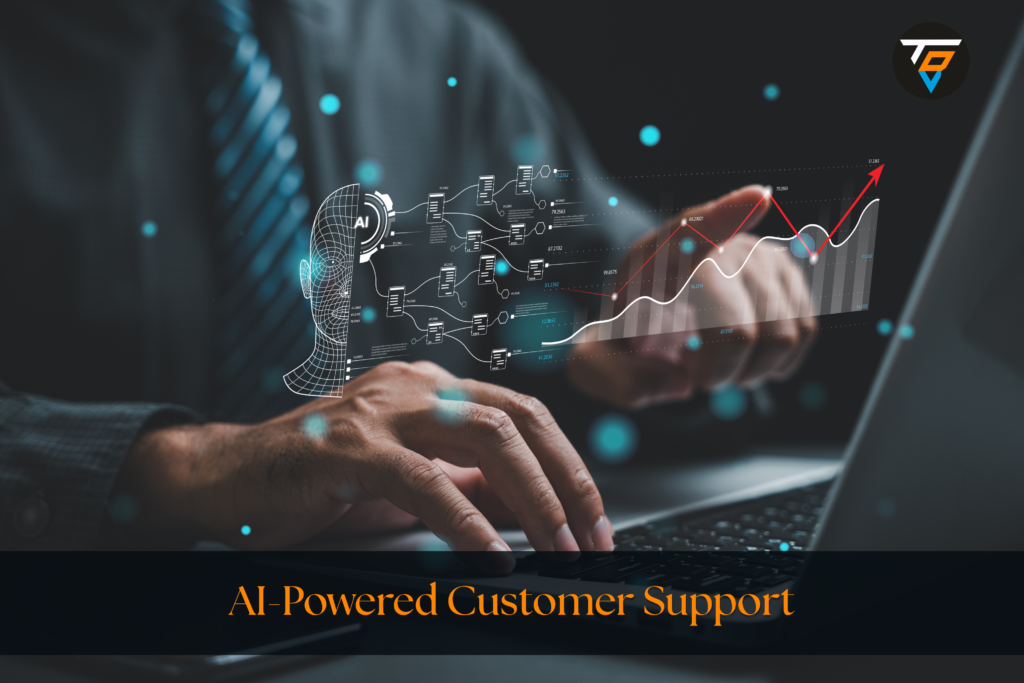
AI-powered customer support allows startups to assist customers around the clock. Chatbots and virtual assistants can answer common questions, provide product information and resolve routine issues instantly. This ensures customers receive timely assistance even outside traditional business hours, improving satisfaction and trust.
Faster Response Times
Long response times can negatively impact customer experiences. AI systems process inquiries immediately and provide accurate answers within seconds. Faster responses improve customer satisfaction while reducing the workload on support teams. This efficiency enables businesses to maintain high service standards as customer numbers increase.
Improved Customer Experience
Automation of support tasks helps companies provide more consistent and reliable customer service. AI can deal with repetitive questions so support teams can focus on complex issues that need human expertise. This balance enhances both the operational efficiency as well as overall customer experience.
Reducing Operational Costs with AI
Cost management remains a top priority for startups aiming to achieve sustainable growth.
Automating Repetitive Tasks
One of the primary benefits of reducing operational costs with AI is automation of repetitive administrative work. Tasks such as scheduling, invoicing, reporting and data entry can be completed automatically. This reduces manual effort, minimizes errors and allows employees to focus on more valuable activities.
Lower Staffing Expenses
AI enables startups to manage growing workloads without proportionally increasing headcount. Automated systems support customer service, sales operations and internal workflows, helping businesses scale efficiently while controlling labor costs.
Better Resource Allocation
When routine tasks are automated, employees can dedicate more time to strategic initiatives, innovation and customer engagement. Better resource allocation improves productivity and contributes directly to business growth.
Scaling Startups Faster Through Automation
Growth often creates operational challenges that can slow business progress. AI helps startups scale more effectively.
Supporting Business Expansion
One of the key benefits of scaling startups faster through automation is the ability to manage growth without creating bottlenecks. Automated systems can handle increasing workloads and customer demands while maintaining consistent performance.
Managing Increased Demand
Manual processes can become inefficient as businesses grow. AI helps startups to handle higher volumes of customer interactions, transactions and operational activities without compromising on service quality.
Building Sustainable Growth
Successful scaling requires systems that support long-term growth. Automation enables startups to build efficient processes that remain effective as the business expands, reducing operational complexity and improving scalability.
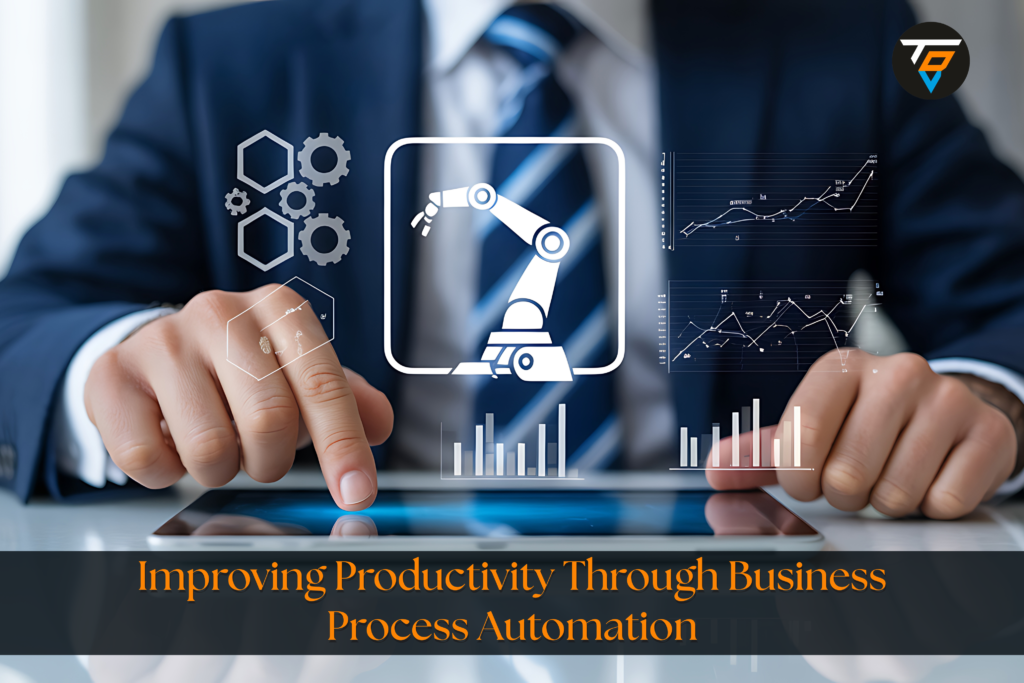
Improving Productivity Through Business Process Automation
Automation improves efficiency across multiple departments and supports better overall performance.
Streamlining Workflows
Business process automation for startups eliminates unnecessary steps and improves workflow efficiency. Automated systems ensure tasks are completed consistently and accurately, reducing delays and increasing productivity.
Financial Process Automation
AI supports invoicing, expense management, budgeting, and forecasting. Automated financial processes provide greater visibility into business performance and help founders make informed financial decisions.
Human Resource Efficiency
Recruitment, onboarding and employee management can also benefit from automation. AI-powered HR tools streamline administrative tasks and improve workforce management, allowing businesses to focus on talent development and organizational growth.
Startup Automation Strategies for 2026
Identify High-Impact Opportunities
Effective startup automation strategies begin by identifying repetitive tasks that consume significant time and resources. Prioritizing high-impact areas helps maximize return on investment.
Start Small and Scale Gradually
Businesses should begin with a few automation initiatives and expand based on results. This approach reduces implementation risks and helps teams adapt to new technologies more effectively.
Focus on Measurable Results
Tracking productivity improvements, cost savings, customer satisfaction and revenue growth helps startups evaluate the success of automation initiatives and refine their strategies.
AI Powered Startup Scaling
Creating Scalable Systems
AI powered startup scaling helps businesses build systems capable of supporting future growth. Automated workflows and intelligent analytics improve efficiency and reduce operational bottlenecks.
Improving Customer Acquisition
AI helps businesses attract, nurture and convert leads more effectively. Better customer acquisition processes contribute directly to sustainable revenue growth.
Strengthening Competitive Advantage
Startups that adopt AI gain operational advantages that help them compete effectively in increasingly crowded markets. Automation supports innovation, efficiency and long-term resilience.
Frequently Asked Questions (FAQs)
Q1. What is AI automation for startups?
AI automation uses artificial intelligence to automate business processes, improve efficiency and support growth while reducing manual work.
Q2. How can AI help startups grow faster?
AI improves productivity, reduces costs, enhances customer experiences and supports data-driven decision-making.
Q3. Is AI expensive for startups?
Many AI tools offer affordable pricing plans designed specifically for startups and small businesses.
Q4. Which departments benefit most from AI?
Marketing, sales, customer support, operations, finance and human resources can all benefit from AI automation.
Q5. How should startups begin implementing AI?
Start by identifying repetitive tasks, selecting appropriate tools and gradually expanding automation based on measurable results.
Conclusion
The role of AI automation for startups continues to grow in 2026 as businesses seek smarter ways to improve efficiency and accelerate growth. From marketing and sales to customer support and operations, AI enables startups to reduce costs, increase productivity and scale more effectively. Companies that embrace automation today position themselves for long-term success in an increasingly competitive business environment.
At Trailblazer Visionaries, we believe AI will remain one of the most powerful drivers of startup growth. By implementing the right automation strategies, entrepreneurs can build scalable businesses, improve customer experiences and create sustainable competitive advantages.
About Trailblazer Visionaries
Trailblazer Visionaries helps entrepreneurs, innovators and business leaders to navigate emerging technologies and modern growth strategies. We provide expert insights and practical guidance to help startups leverage innovation and build successful businesses in a rapidly changing digital world.